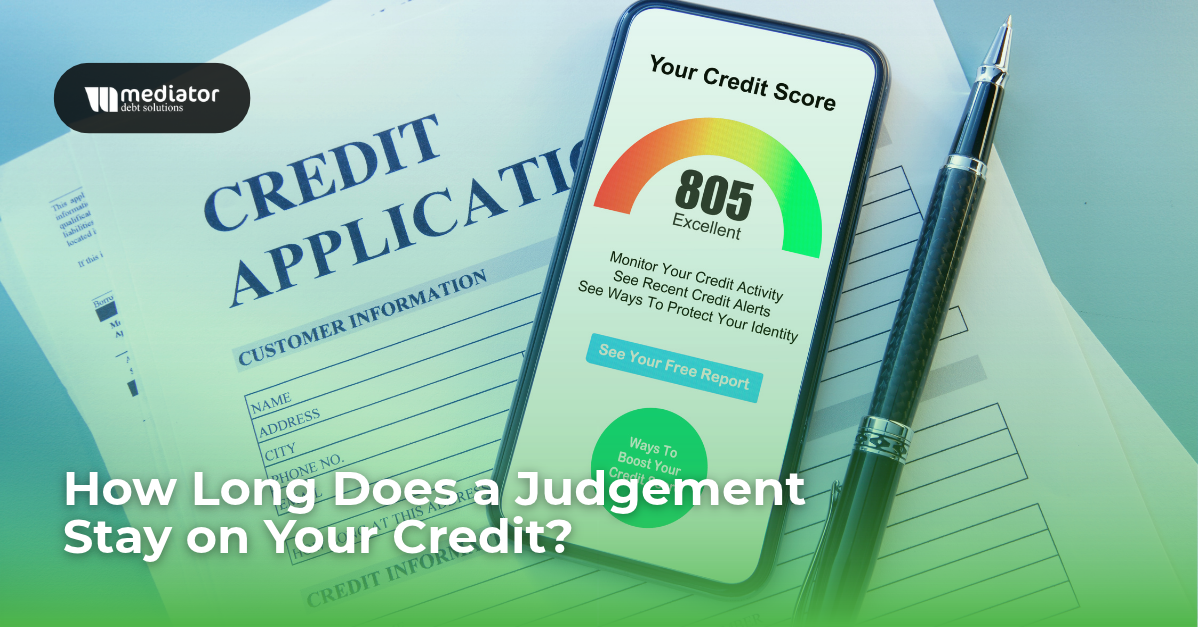
A past judgment can feel like a permanent mark on your financial life, especially when you are trying to qualify for a loan, an apartment, or a fresh start. The good news is that a judgment is not a life sentence. Understanding how judgments relate to your credit history, which related information can linger, and what you can do about it puts you back in control. If you want background on how credit reporting practices changed, our earlier guide on how long judgments stay on your credit covers that. This article looks at the wider picture.
Judgments and Credit Reports: Rules Versus Practice
Under federal law, information about a lawsuit or judgment can generally be reported for seven years or until the statute of limitations runs out, whichever is longer, according to the Consumer Financial Protection Bureau. In practice, the three major credit bureaus stopped including most civil judgments on standard credit reports in 2017 as part of an industry-wide change. That means a judgment often does not appear on your report today, but the legal ceiling still exists, and reporting practices can differ between credit reporting companies.

The Related Timeline That Often Matters More
Even when the judgment itself is missing from your report, the debt behind it usually is not. Late payments, collection accounts, and charge-offs can generally stay on your credit report for up to seven years from the date of the first missed payment. Those items, not the court order, are often what lenders see first.
Meanwhile, the judgment remains a public court record for as long as it stays enforceable, which varies depending on where it was entered and whether it was renewed. Confirm those details with the court or an attorney rather than assuming a fixed end date.
How a Judgment Can Affect Borrowing and Your Wider Finances
A judgment can reach beyond your credit score. Lenders reviewing a mortgage or auto loan may search public records and ask about unresolved legal debts. Landlords and some employers may also run background checks that surface court filings.
If the judgment is unpaid, the creditor may have legal tools to collect, such as wage garnishment, bank account levies, or property liens, depending on the rules that apply to you, and interest may continue to accrue. Together, these effects can make an unresolved judgment more expensive than the original debt.
Why a Judgment Does Not Define Your Financial Future
Lenders look at the full picture, not a single entry. A judgment that has been paid, followed by a run of on-time payments and lower balances, tells a very different story than one left to grow. Many people qualify for credit again after resolving a judgment, even if it takes some time, often on better terms as their recent history improves. The key is moving from an open problem to a documented, resolved one.

Rebuilding Credit and Your Financial Standing
Recovery is very achievable, and it usually starts with a few concrete steps:
- Review your reports from all three bureaus at AnnualCreditReport.com and dispute anything inaccurate or outdated.
- Pay or settle the judgment, then get written proof it was satisfied and confirm the court record is updated.
- Make every payment on time, since recent positive history carries growing weight.
- Keep credit card balances low relative to your limits.
- Consider a secured card or credit-builder account if you need fresh positive history.
Progress is gradual. Negative items lose weight as they age, and steady habits add positive history every month. The pace depends on your starting point and what else appears on your reports, so patience and consistency matter more than any single quick fix.
Resolving Outstanding Debt Before It Reaches Court
The simplest way to avoid a judgment is to address debt before a lawsuit is filed, because once a case reaches court your options narrow. If you are behind on accounts today, or working through an older judgment, it is worth looking at what resolution could look like before more fees and interest build. Warning signs include collection letters, calls about a lawsuit, or minimum payments you can no longer cover. Each of these is a good moment to pause and review your options rather than wait. Mediator Debt Solutions can help you understand your options and connect you with licensed debt relief providers. Contact Mediator Debt Solutions early and take the next step toward firmer financial footing.
Frequently Asked Questions
1. How long can a judgment be reported on a credit report?
Federal rules generally allow a judgment to be reported for seven years or until the statute of limitations expires, whichever is longer. In practice, the major credit bureaus stopped including most civil judgments in 2017, so many people do not see them on standard reports today.
2. If a judgment is not on my credit report, can it still affect me?
Yes. A judgment is a public court record, so lenders, landlords, or employers may find it through background or record searches. An unpaid judgment can also lead to collection actions such as garnishment or liens, depending on the rules that apply to you.
3. Does paying off a judgment remove it?
Paying a judgment generally ends the collection risk, but the court record may remain, usually marked as satisfied. Ask for written proof of payment and confirm the court record is updated, since a satisfied judgment looks much better to lenders than an unpaid one.
4. How long do the debts behind a judgment stay on my credit report?
Late payments, collection accounts, and charge-offs can generally stay on your credit report for up to seven years from the date of the first missed payment. Their impact on your score typically fades as they age and as you add new positive payment history.
5. How can I start rebuilding credit after a judgment?
Start by reviewing your reports from all three bureaus and disputing errors. Then resolve the judgment, pay every bill on time, keep balances low, and consider a secured card if you need fresh positive history. Progress is gradual, but steady habits add up.